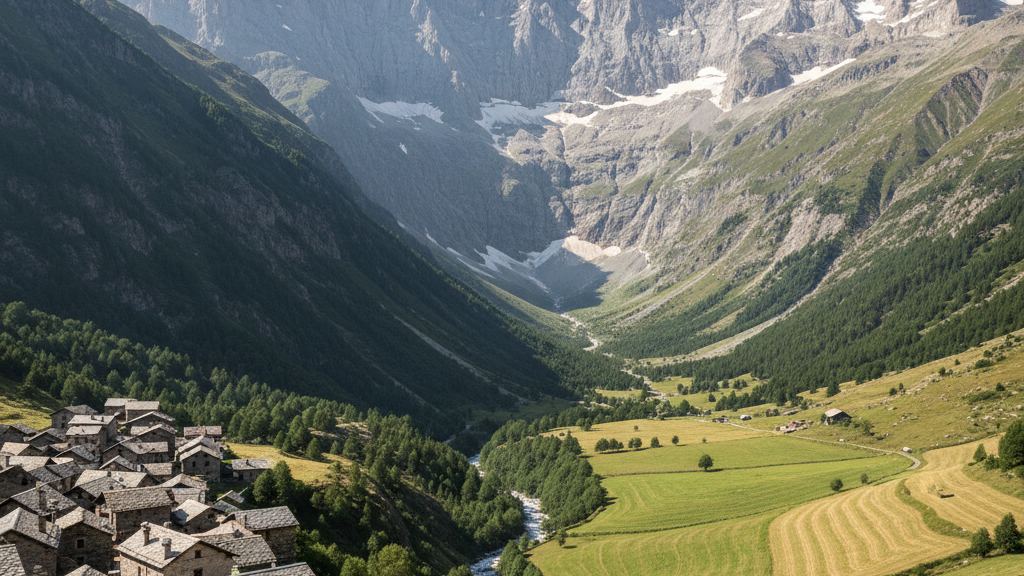
rye bread, larch smoke, a road that ends at rock
Reserve a week, three weeks or a season in Valle Maira, Piedmont
Valle Maira runs 45 kilometers into the Cottian Alps and then stops, and this office reserves houses and pension rooms in it at three lengths: 7 nights from $2,516 per person, 21 nights from $5,943, and 56 nights from $12,421, two people sharing. A week is enough to see the valley from the plain to the rock wall at the end of it. Three weeks and a season are for finding out what a place with 1,200 residents and one road in does with a person who stays.
Reserve your weeksA reply is written within one business day, by a person.
Valle Maira leaves the plain at Dronero, 622 meters, and runs about 45 kilometers west into the Cottian Alps until the asphalt gives out at Chiappera, 1,614 meters, under a pale limestone tower that stands more or less straight up out of the meadow. There is no through road and no pass at the head of it. Whatever comes up the valley has to come back down the same way it went in, and that one fact organizes everything else: the bread van, the school bus, the mail, the price of a house, and the number of people who wander in by accident on a Sunday afternoon, which is close to none.
A hundred and forty years ago something like twenty thousand people farmed these slopes on terraces built by hand. The resident count now sits near 1,200, and most of that lives in the four lowest villages. Whole hamlets above 1,400 meters were walked away from between 1950 and 1975 with the roofs still sound. A number of them are still empty and will stay empty. Others have been bought back one house at a time by people who wanted a winter with no traffic noise in it, who put the slate back on and the stove in, and who now let the house for part of the year. Those are the houses this office reserves.
You can take one of them for seven nights, for twenty one, or for fifty six. They are not one product in three sizes.
A week
7 nights7 nights, from $2,516 per person.about $359 a night
Seven nights gets you the drive to the road end at Chiappera under the limestone tower, two long walked days on the marked circuit, the frescoed church on the shelf above the gorge if that road is open, and the shape of the valley fixed in your head.
Three weeks
21 nights21 nights, from $5,943 per person.about $283 a night
By the third week you are standing outside at twenty past eight on a Tuesday for the grocery van without having to remind yourself, you have sat out one entire week of rain with a stove and no plan, and somebody has drawn you a route on the back of a receipt that appears on no map.
A season
56 nights56 nights, from $12,421 per person.about $222 a night
Only after a month do you get the hay cut on the terraces, the herds walking up to the high pastures and the cheese tasting different in August than it did in July, the first genuinely cold nights arriving while the valley is still full of light, and a house nobody drives up to clean because it is not being handed over on a Saturday.
The difference between them is not how much walking you get. It is how much of the valley's own timetable you are inside of. Seven nights leaves you outside it, looking in, which is a perfectly reasonable place to stand. Twenty one puts you in it. Fifty six makes you part of the arithmetic of the place, including its dull parts, and the dull parts are most of it.
- What this office books
- This office reserves the stone house or the pension room, the ground transfer up from the plain, a rental car from the town at the valley mouth and any guided walking days you want, and it books no air travel and takes no money from you at any stage.
- Who books it
- Somebody booking this wants a valley that nobody drives through on the way to anywhere, and accepts that the price of that is no restaurants after nine, very little English, and a two hour round trip to a supermarket.
- Why somebody picks elsewhere
- Choose somewhere else if you want a mountain place with a lift system, a town at the bottom with things open in the evening, and staff who will deal with you in English, because none of the three exists here.
- In the figure
- the stone house or the pension room for the full number of nights you reserve, which is the item that scales with length; ground transfer from the rail town on the plain up to your village and back down at the end, which does not scale; bed linen and towels, changed weekly on the 7 and 21 night stays and every second week across the season; firewood for the stove or the first gas bottle, with a top up allowance that scales with length; a telephone introduction to the owner of the house before you travel, so that the first meeting is not the first contact; a printed valley sheet with shop days, van days, bus times and the two garages on it; one guided half day on the 7 night stay, three on the 21 night stay and six across the season, walked with a guide who lives in the valley; written confirmation of who to call in the village if the water or the stove stops, which does not scale; and the reservation work itself, held and confirmed in writing by this office at no charge to you.
- Not in the figure
- Air travel out and back from the American South as far as northern Italy, which stays your own arrangement, typically $960 to $1,780 per person depending on the month; rail from the arrival city out to the plain, $28 to $54 per person each way; a rental car for the valley, $340 to $620 a week, which most people take for at least part of a long stay; food cooked in the house, $190 to $340 per person a week, or $380 to $610 if you eat out most nights; the village bar and the wine that goes with it, $40 to $110 a week; snowshoe or ski touring rental between December and March, $22 to $38 a day; a night in a mountain hut if you sleep out on a traverse, $62 to $88 per person with dinner; laundry sent out on the 7 and 21 night stays, $9 to $16 a load; motorway tolls and fuel on the run up from the plain, $70 to $130 for a week of ordinary use.
- Who should not book it
- Do not reserve this if you need something to happen. The nearest cinema is at the mouth of the valley, 45 kilometers below the last village, there is no pool, the evening is a bar with four tables, and on a wet Wednesday in the upper valley there is honestly nothing to do except read. Very little English is spoken above Dronero and the accent under the Italian is Occitan, so if you cannot get through a transaction in a shop by pointing and counting you will find the shopping hard work. The gradients are the other thing: almost no walk here is flat, the villages are strung along slopes that would be called a climb anywhere else and are simply the way home here, and eight weeks in a small place is mostly ordinary days of cooking, weather and the same six kilometers of road.
Each figure is a starting point for two people sharing one room. Costing the exact weeks you name takes two to four working days: the letting company must answer before a number exists, and an air ticket is never folded into one.
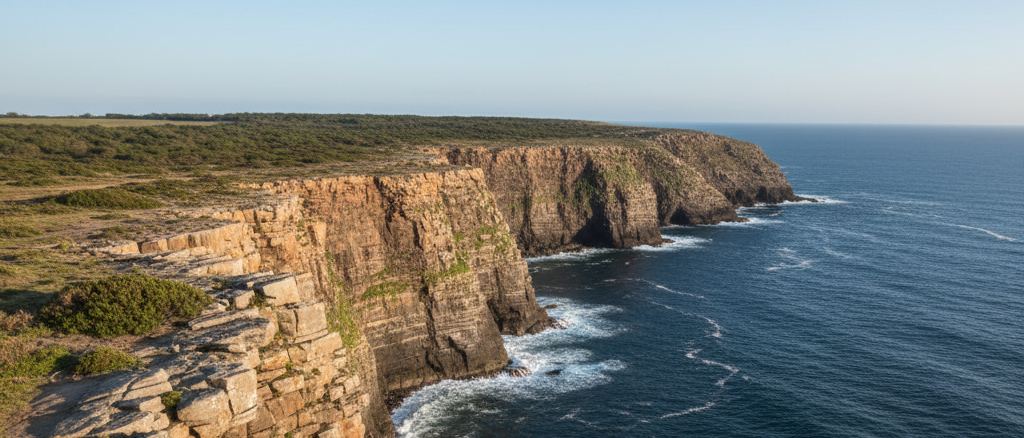
From the plain to the rock wall
The valley runs roughly east to west, so one flank has sun on it all day and the other has very little. The Occitan words for the two sides are still in daily use here and they are not decorative: a house on the shaded flank at Stroppo can go from the middle of November to the first days of February without direct sun on its front wall, while a house 600 meters away across the water is in full light by nine in the morning. Rent follows that, and so does firewood, because the shaded houses burn about a third more of it over a winter.
Going up from the mouth the villages are Dronero, Macra, Celle, San Damiano, Stroppo, Marmora, Prazzo, Canosio, Acceglio, and Chiappera at the end of the road. Elva sits apart at 1,637 meters on a shelf above a gorge, reached either by a single lane road cut into the rock face with passing bays and no railing worth the name, or, when that road is closed for rockfall work, by a long climb over the pass from the next valley. Elva has a parish church holding a wall of frescoes finished in the 1490s, about a hundred and ninety people in August and something under ninety who stay for the winter.
Above the last houses the ground goes up quickly. Rocca La Meja stands at 2,831 meters and is visible from most of the upper valley as a pale fin of limestone with nothing else like it nearby. Monte Chersogno reaches 3,026. A military road built to move guns runs the ridge line at around 2,000 meters for some twenty kilometers and is now the easiest walking in the valley, because it was engineered for wheels and it holds its grade.
- January
- Snow down to 1,000 meters most years, the sideways pass shut since November, two grocery vans a week to the upper hamlets.
- February
- The steadiest ski touring of the year, and the shaded villages get their first direct sun back in the first week.
- April
- Thaw and mud, crews on the gorge road, and several high houses without water for a few days while the lines are bled and refilled.
- June
- The pass at 2,284 meters usually opens between the tenth and the twenty fifth, depending on what is left in the drift on the shaded side.
- July
- Hay cut on every terrace a machine can still reach, 84 F on a bad afternoon at the bottom of the valley and nearer 60 at the huts.
- September
- Mushrooms first, chestnuts at the valley mouth in the last week, nights under 40 F above 1,500 meters.
- October
- The larch turns, the walkers stop, and most rooms above 1,400 meters close by the twentieth.
- November
- The slow month. Everything shuts, two places to eat stay open in the whole valley, and one of those only on weekends.
What the second and third weeks do
A week here is a sequence of arrivals. You get to the house on a Saturday, you find out on Sunday that the shop in the village below is closed on Sunday and again on Monday, you walk two of the better known days, you drive one pass if it is the right half of the year, and you go home. Nothing is wrong with that and for a lot of people it is the right purchase.
Three weeks is a different object entirely. The change arrives around day nine, when the valley stops being scenery and turns into a place with a schedule you can be late for. You learn that the van with bread and milk reaches the high hamlets on Tuesday and Friday and is gone by half past eight, so on the second Friday you are outside at twenty past. You work out which of the two bars in the middle valley has the man who knows where the water comes from and who fixes it. You get one whole week of weather that shuts you indoors with a stove and whatever you brought to read, which almost never happens inside seven nights, and you find out whether you actually like that or were only telling yourself you would. By the third week you are on tracks with no numbers on them, because somebody drew you one on the back of a receipt.
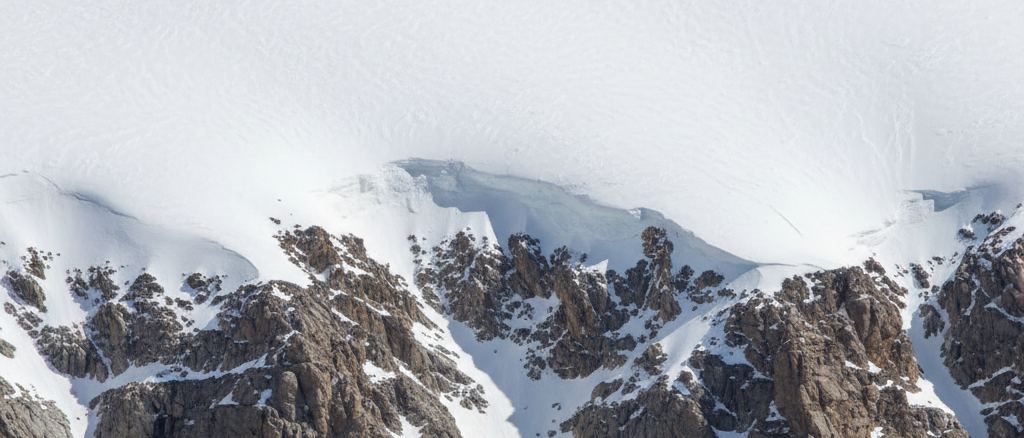
Eight weeks, and what stops being remarkable
A season is fifty six nights and most of them are ordinary. That is the honest description of it, and anyone selling you eight weeks as eight weeks of the good bits is selling something other than this valley.
Here is what actually changes. You come in during the second half of June with the pass newly open and the hay not yet down, and you leave in the third week of August with cold nights already arriving. In between you watch a whole working summer. The hay comes in across about ten days in July and everyone who still farms is out on the slopes from six in the morning, which means the bar is empty at lunch and full at nine. The herds go up to the high pastures in the last days of June, and the cheese made up there does not taste the same in August as it did in July. You will be able to tell the difference, which is not something a person can do in seven nights.
The domestic arithmetic changes too. Nobody strips and remakes a room that is not being handed over every Saturday, and nobody drives up the valley to clean it. After the first two weeks you do your own laundry, because the woman who was charging you for it will tell you without much ceremony that this is silly. You buy your own gas bottle instead of having one delivered. The three figures above carry all of that inside them: $359 a night across the week, $283 a night across the three weeks, $222 a night across the season. They are not the same figure, and the reason is mechanical rather than gracious. A room let for eight weeks is turned over once, not eight times.
What this office reserves, and who writes the bill
Slow Latitudes works from one office at 9422 Common Street, Suite 2, Baton Rouge, LA 70809, in East Baton Rouge, Louisiana. It reserves the house or the pension room, the ground transfer up from the plain, a rental car from the town at the valley mouth, and the guided days you want. Not one house, room or vehicle described on this page belongs to Slow Latitudes Bookings LLC. The families who own them let them under their own names and their own licenses, and your invoice is written by the people who unlock the door for you, never by this office. Nothing is paid here and no card number is taken here.
This office sells no air ticket. Getting yourself as far as the plain stays your own arrangement, and the last 45 kilometers is the part we handle.
Ask by telephone at +1 (225) 766-2418, or in writing to bookings@slowlatitudes.com with the weeks you have in mind and how many of you there are. Pricing the exact dates you name takes two to four working days, because the answer has to come back up the valley from people who are frequently out on a slope with a machine, and a same day figure would be a guess. If something in a reservation already made needs correcting, write to corrections@slowlatitudes.com with the reference on the subject line. Entry rules for Italy sit between you and the authority that issues them, and this office does not advise on them.
Ask this office to reserve your weeks
The form below is open every hour of every day, and what it collects is read by a person, who replies within one business day. Nobody is committed by sending it, nothing is charged for it, and no call or message goes out from here unless you ask for one.